our researchers
australian academics
professor kok-sing tang
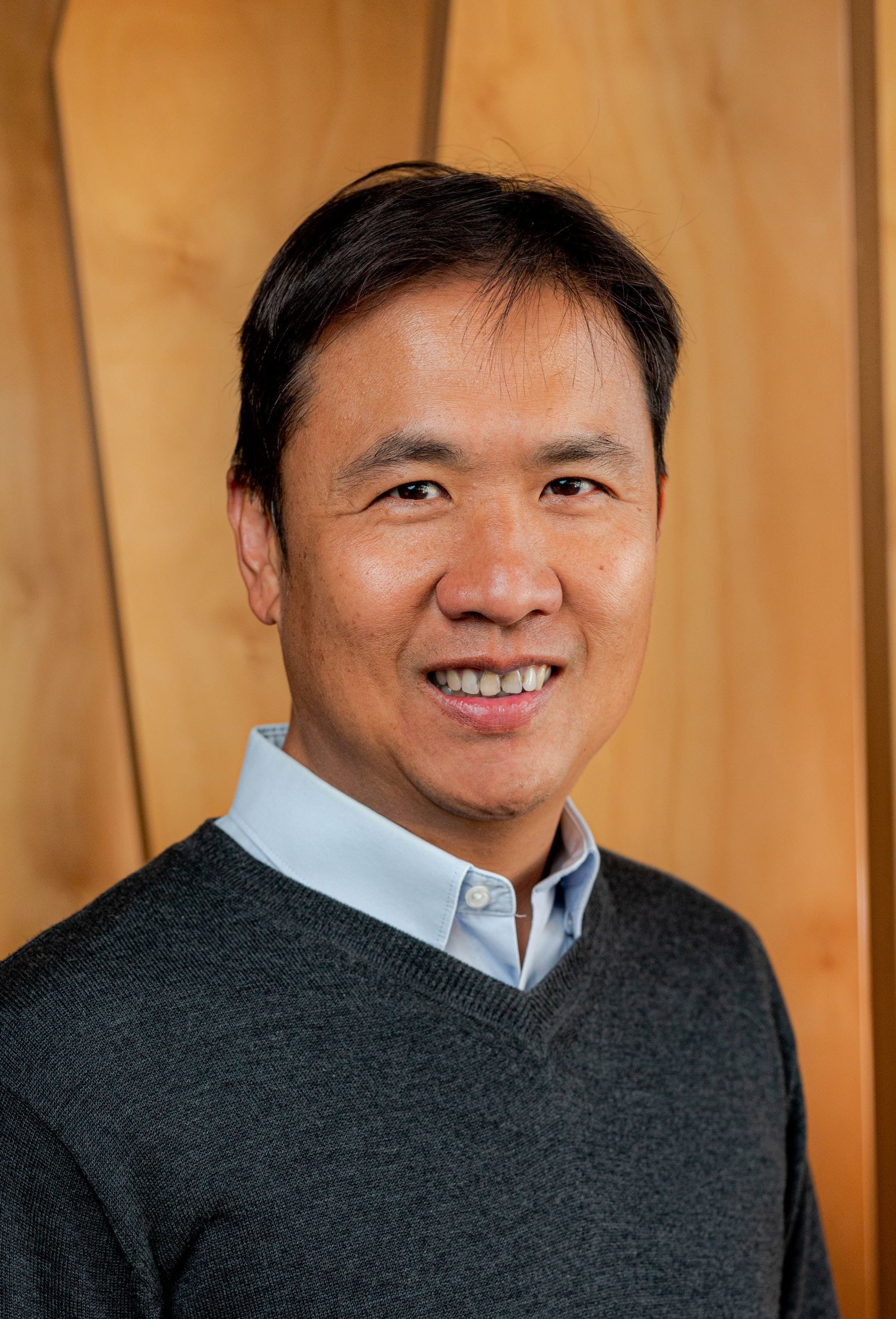
Kok-Sing Tang is a Professor and Director of Graduate Research in the School of Education at Curtin University. He holds a BA and MSc in Physics from the University of Cambridge and a MA and PhD in Education from the University of Michigan. His research examines the role of language, literacy, discourse, and multimodality in science education. Currently, he is researching the use of generative AI in secondary and higher education. Kok-Sing is a founding leader of the ESERA Special Interest Group Languages & Literacies in Science Education. He is also an editor-in-chief of the journal Research in Science Education (RISE). In 2024, he received the Humanities Teaching Excellence Award for HDR supervision and the Humanities Research Excellence Award for his research impact on generative AI in education.
dr Grant cooper
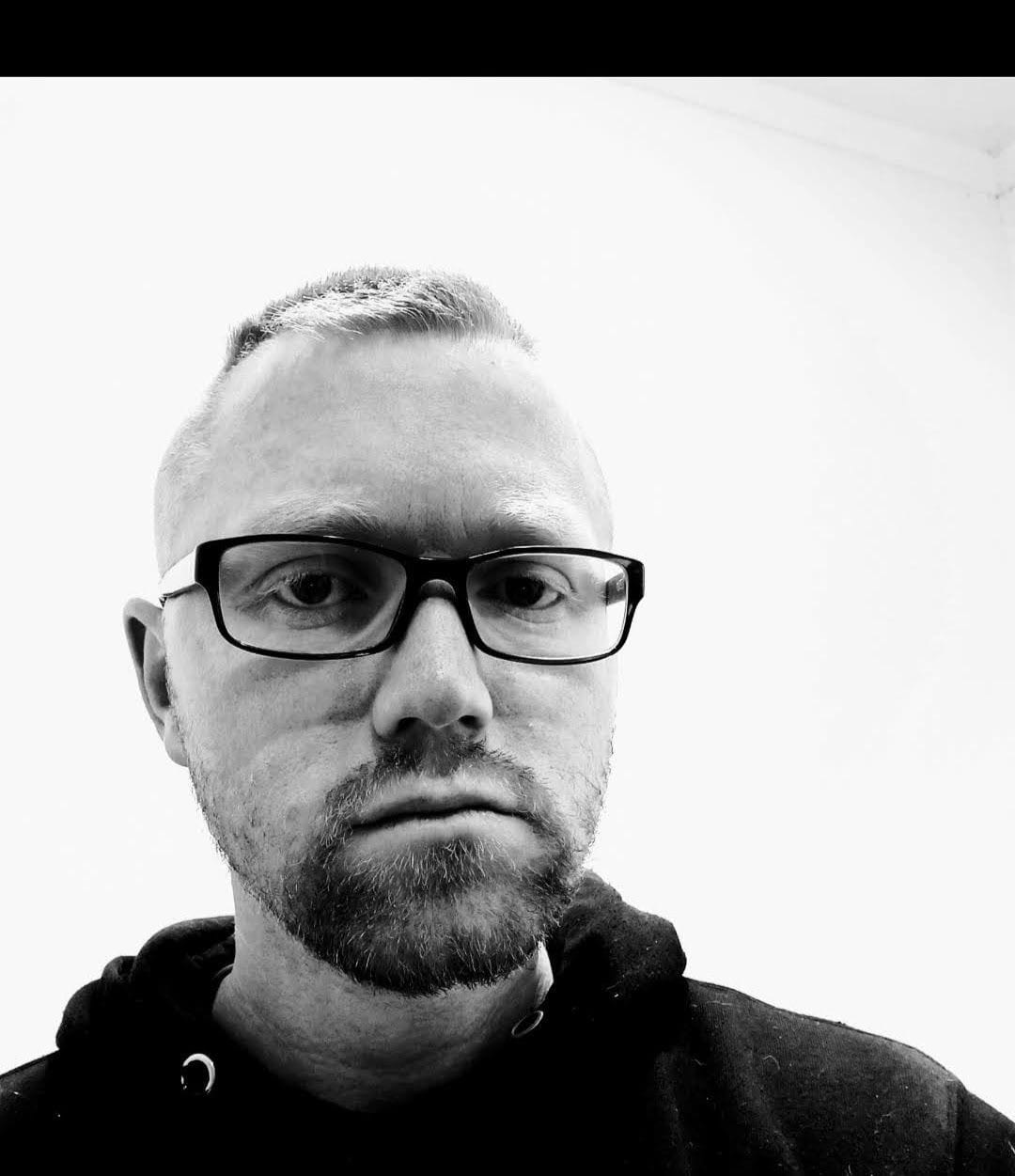
Grant Cooper is a senior lecturer in the School of Education at Curtin University. He specialises in the intersections of science education, artificial intelligence, digital technologies, and equity. His work critically examines Big Tech, surveillance capitalism, digital ethics, and the risks of emerging technologies exacerbating inequities while also exploring educational possibilities. He serves as an Associate Editor for Research in Science Education and is a member of the Editorial Board for the Journal of Science Education and Technology (both Springer Nature). With over 1,300 citations to date, Grant has secured nearly $300,000 in research funding.
associate professor Natasha Rappa
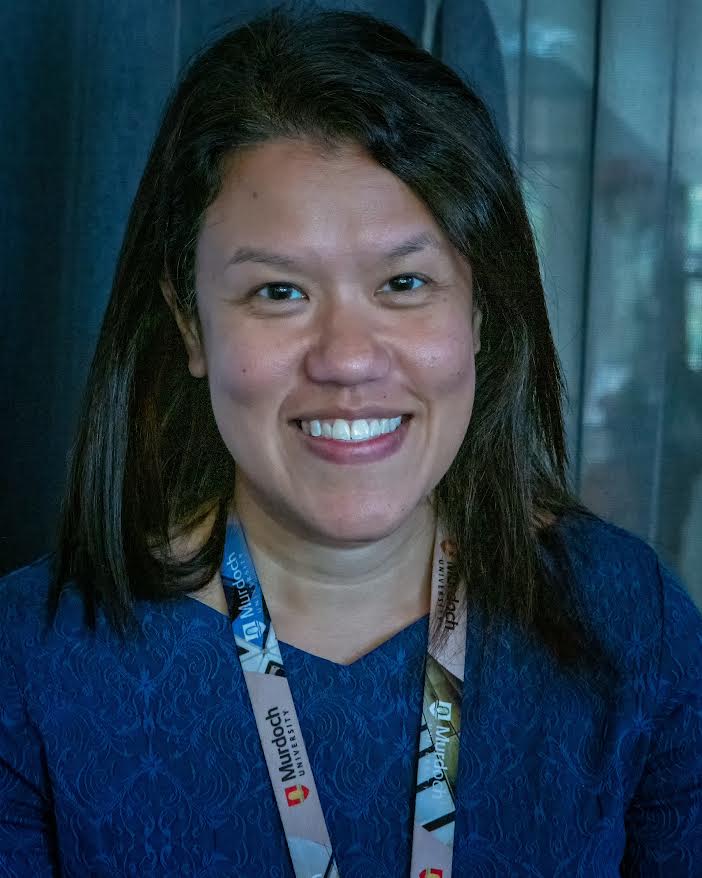
Natasha Anne Rappa is an Associate Professor at Murdoch University specializing in educational technology. She holds a PhD from the University of Sheffield and an MA from the University of Michigan. Her current research foci are Generative AI, simulation-based learning in virtual and mixed reality environments, massive open online courses, online learning, mobile learning, serious games, computer-supported collaborative learning, digital literacy and 21st-century skills/competencies. She is an Associate Editor of Pedagogies and has published articles in a broad range of highly-ranked journals. She was a recipient of Murdoch University's Vice Chancellor's Award for Excellence in Research and Innovation (Best Research Output) in 2021 and the Vice Chancellor's Award for Excellence in Postgraduate Supervision in 2024.
dr Martin Cooper
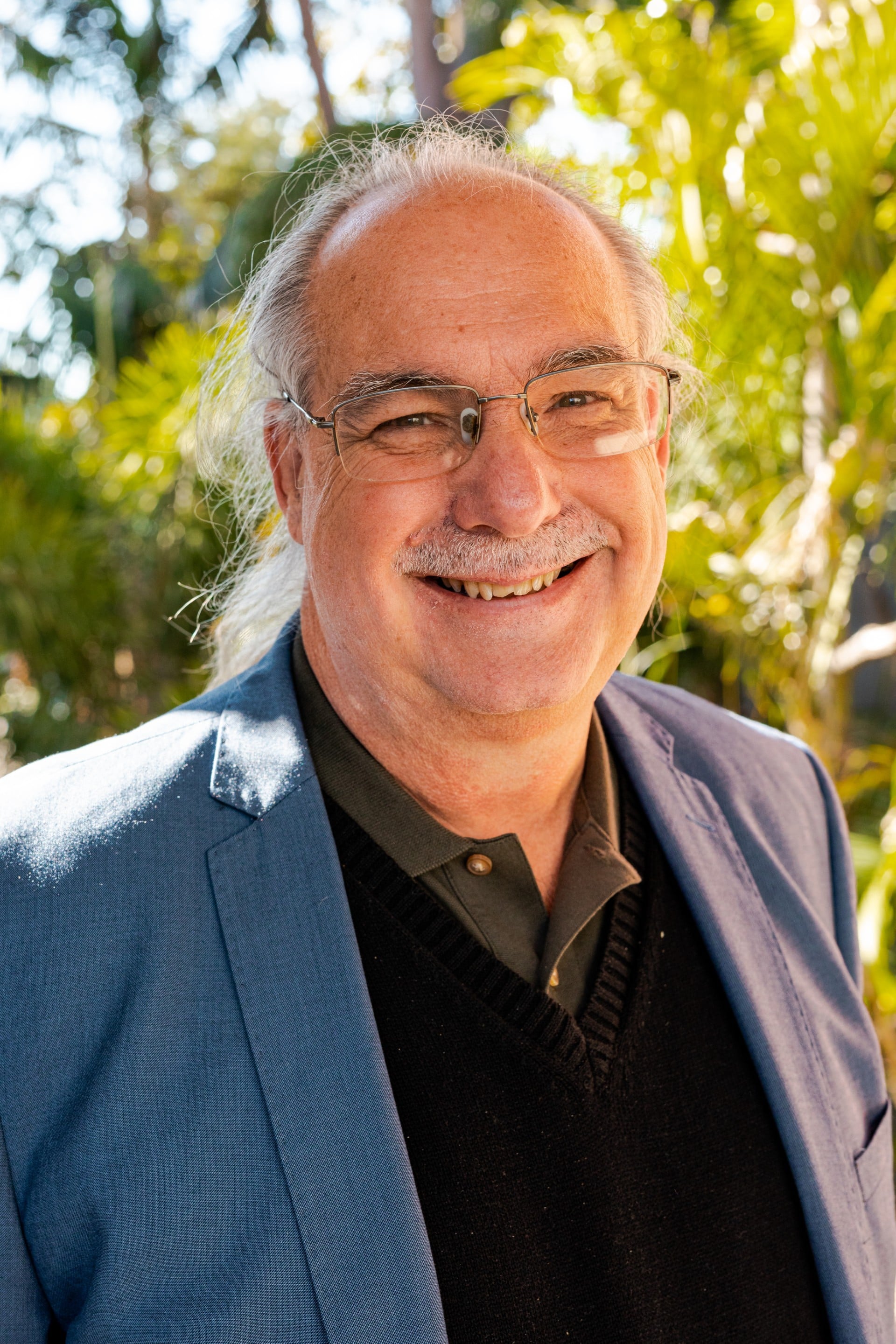
Martin Cooper is a Senior Lecturer and the Academic Lead for Graduate Readiness at Curtin University. Martin’s research interests focus on learning technologies with an especial interest in digital assessment. Most recently he has been investigating Generative AI and Assessment at tertiary level, Generative AI and assessment redesign in secondary school, and data analytics and inclusivity at tertiary institutions.
associate professor Karen Nonis
.jpg)
Dr Karen Nonis is an Associate Professor in the School of Education at Curtin University. She previously held leadership roles at the Nanyang Technological University, The National Institue of Education, Singapore. In the past years at Curtin University, she has taught in Undergraduate Units such as Learning Theories, Diversity and Differentiation; Child Development and Pedagogies in Diversity for Post Graduate Educational qualification. She has experience in Teaching Practice for Pre-Service Teachers. Her administrative experiences range from Unit Coordination at Curtin University; Leadership as a former Prinicipal in a Special School, Singapore; and Leadership Roles in the Early Childhood and Special Education, Singapore NTU, NIE. Her research Interest relates to Motor Behaviour and Control, Pre-Service Teachers and Inclusion.
Craig Sims
.jpg)
Craig Sims is a Lecturer in Technology-Enhanced Education at Curtin University’s School of Education, where he focuses on the application of artificial intelligence (AI) and emerging technologies in education. His research explores how AI, gamification, and virtual and mixed reality can improve student learning experiences by making them more engaging, accessible, and effective. Craig is a lead contributor to CeSL, an AI-driven chatbot designed to support students by promoting self-regulated learning and providing personalised, on-demand assistance. CeSL’s innovative use of natural language processing earned the Business and Law Award at the 2024 Curtinnovation Awards and was recognised as a finalist in the Student-Centric category of the WA LearnTech 2024 Awards. In addition, Craig’s commitment to innovative teaching was acknowledged through the Humanities Teaching and Learning Award for Innovative Teaching at Curtin University.
international partners
professor kuen-yi (mark) lin
.jpg)
Kuen-Yi (Mark) Lin is a Professor of Technology Education in the Department of Technology Application and Human Resource Development at National Taiwan Normal University, Taiwan. He teaches courses in Instructional Strategies of Technology Education, Technology Teacher Education, and STEM Education Pedagogy. Kuen-Yi’s primary research interests involve technology and engineering education, STEM education, and technology teacher education. He also received the following awards in recent years: (1) 2023 Gerhard Salinger Award, Council on Technology & Engineering Teacher Education (CTETE), U.S.A.; (2) 2020 Distinguished Technology and Engineering Professional, International Technology and Engineering Educators Association (ITEEA), U.S.A.; (3) 2017-2025 Distinguish Professor Award, National Taiwan Normal University. Please see more information at https://www.researchgate.net/profile/Kuen-Yi-Lin.
Dr Magdalena Kersting

Dr. Magdalena Kersting is a Tenure-Track Assistant Professor in the Department of Science Education at the University of Copenhagen, Denmark. Her research explores the intersection of embodied cognition, scientific literacy, and educational technology, with a particular focus on how artificial intelligence transforms science learning and teaching. She serves on the editorial boards of Science Education and Research in Science Education, and is conference co-chair for ESERA 2025 in Copenhagen. Magdalena's current work investigates the productive tensions between embodied human minds and disembodied AI systems in science education contexts. She leads the Science Education Network for Supporting Embodied Sense-Making (SENSES) and coordinates the ESERA Special Interest Group on Languages and Literacies in Science Education. Her AI-related research examines how generative AI impacts scientific literacy development and explores metaphorical framings of AI in educational settings. Recent keynote addresses on AI topics include "Metaphors in Motion - Navigating the Embodied Landscape of Science Education in the Age of Artificial Intelligence" (First Specialist Seminar on Embodied Education, Italy, 2024) and "Teacher Professional Development in Transformative Times - Three Collaborative Visions for the Future of Physics Education from Cognitive Science to Artificial Intelligence" (World Conference of Physics Education, Poland, 2024). She also served as an expert panellist on "AI and the Future of Physics Teaching and Learning" at the University of Padua in Italy (2024).
dr seng chee tan

Dr. Tan Seng Chee is an Associate Dean at the National Institute of Education, Nanyang Technological University, overseeing teacher professional learning and school leadership development. He has held various leadership roles, including Assistant Director at the Ministry of Education, Acting Co-Director of the Centre for Research & Development in Education (NTU), and Co-Chair for AI@NIE. He is a pioneer in teaching and learning innovation, exploring the use of emerging technologies for building 21st century competencies, including knowledge building, computer-supported collaborative learning, and artificial intelligence in education. He has developed and taught over 20 courses, ranging from undergraduate to doctoral levels, primarily focusing on educational technologies and learning sciences. In addition to his academic roles, Dr. Tan has served on the editorial boards of journals like Instructional Science and IEEE Transactions on Learning Technologies. He has also conducted workshops and delivered talks in numerous countries, including Australia, Canada, China, Dubai, India, Malaysia, Singapore, South Korea, and Vietnam.
dr joonhyeong park

Joonhyeong Park is an Assistant Professor at the Natural Sciences and Science Education Department at the National Institute of Education, Nanyang Technological University. He obtained his PhD in Science Education, specialising in Physics, from Seoul National University and then studied at Curtin University in Australia as a post-doctoral researcher. His primary research areas encompass multimodal representation and artificial intelligence (AI) literacy in science classrooms. His work on multimodal representation in science education focuses on understanding how the coordination and integration of multimodal representations, such as written text, spoken language, diagrams, gestures, and materials, enhance the comprehension and learning of science ideas. Regarding AI literacy, he examines how to foster students’ AI literacy, including the comprehension and application of AI concepts, tools, and methodologies, in the context of science education.
higher-degree research (hdr) students
Buana PUTRA
PhD Researcher
.jpg)
Buana is a PhD student and RTP Scholarship recipient in the School of Education at Curtin University. He holds a BSc in Chemistry from the National University of Singapore and an MA in Education from the National Institute of Education – Nanyang Technological University. His research focuses on language and literacy in science education, with a current emphasis on the use of generative AI in secondary education. Previously, he worked as a chemistry and mathematics teacher at a secondary school in Indonesia.
CHENGRAN WANG
PhD Researcher
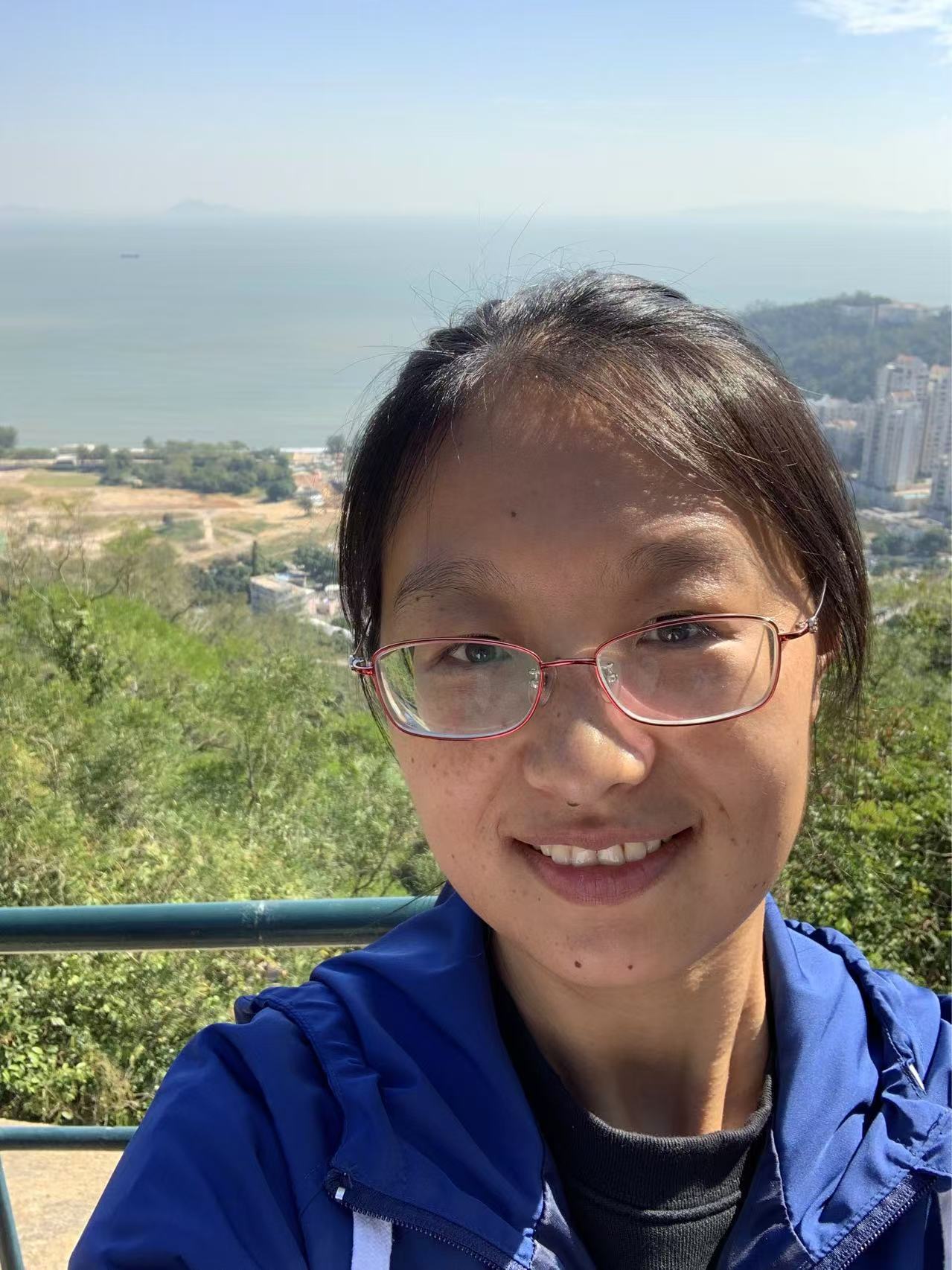
I am an incoming PhD student at the School of Education, Curtin University. I hold an MPhil in Science Education from the University of Macau and an MEd in Education from Shaanxi Normal University. Prior to joining Curtin University, I taught physics at a secondary high school for ten years. My research work has centered on the role of multimodality in science education, and my current research focuses on the application of Generative AI to enhance multimodal learning in science education.
DO VU HOANG TAM
PhD Researcher

t.do30@postgrad.curtin.edu.au
Do Vu Hoang Tam is a PhD candidate in the School of Education at Curtin University. She holds a Bachelor’s degree in English Language Teaching and a Master’s degree in English Linguistics from Quy Nhon University, Vietnam. Prior to commencing her doctoral studies, she has worked as an English lecturer in the Faculty of Foreign Languages at Nha Trang University, Vietnam. Her research interests encompass Pragmatics, English language teaching methodology, student engagement, and teacher education. Her current doctoral research investigates GenAI-enhanced, content-based classrooms in higher education contexts.
Khansa ilyas
Research Assisstant & PhD Researcher
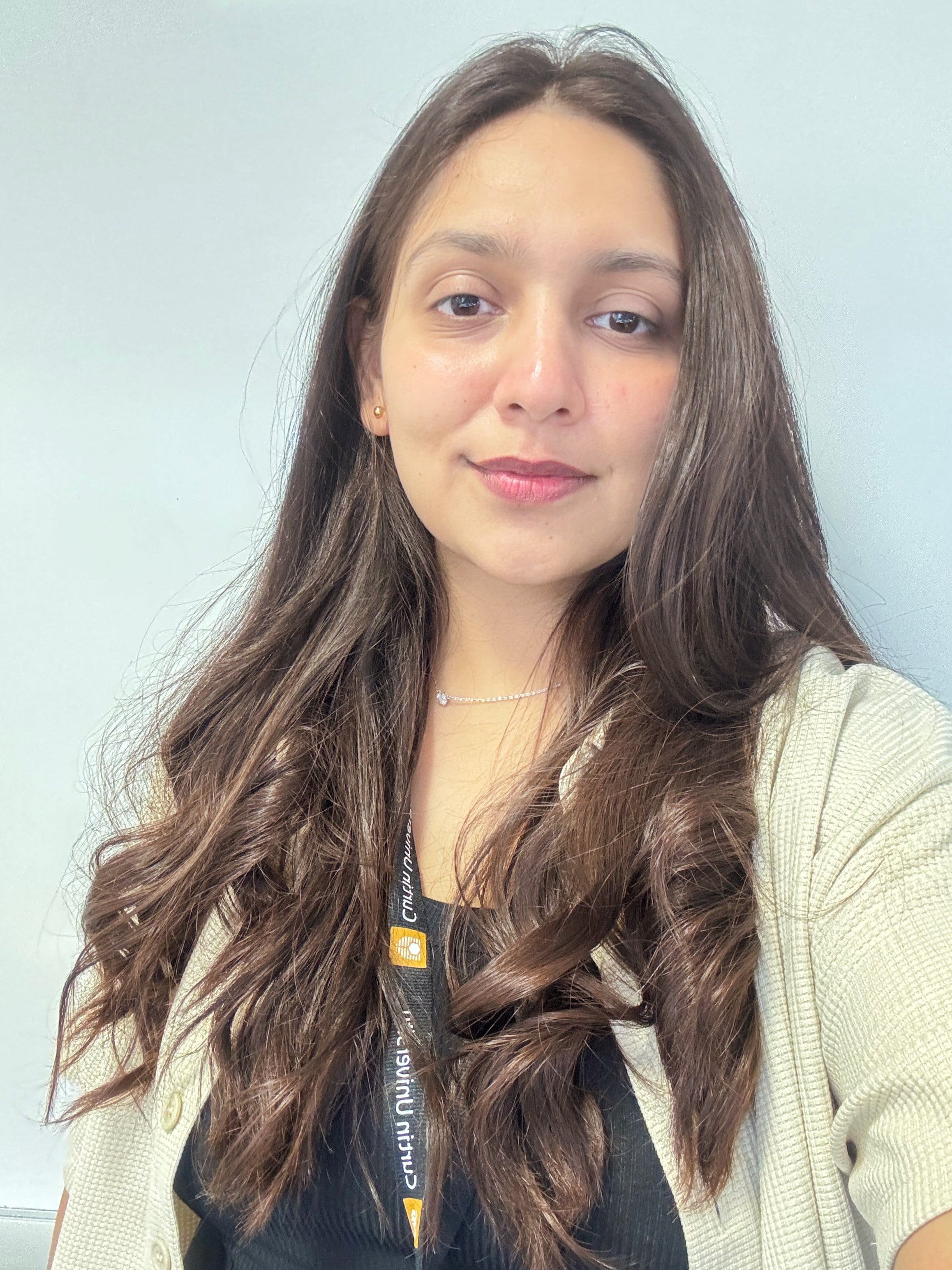
Khansa is a Research Assistant and PhD researcher in the School of Education at Curtin University. She holds a Bachelor of Science in Science Education and a Master of Philosophy in Educational Administration from University of the Punjab, Pakistan.Her research interests span organizational learning, knowledge management, leadership, and gender studies.
Khansa’s previous work focused on pedagogical skills in science and understanding the dynamics of organizational learning within educational institutions. While her current research does not focus on AI, she holds a keen interest in the field, recognizing its trending significance and potential benefits in educational contexts.